Self-care for anxiety
In this course, you'll discover what anxiety is, how it affects your body, and how Lungy may be able to help you.
What is anxiety?
We all experience anxiety from time to time - it is a side effect of living in an uncertain world. We can't know the future, and sometimes our brains go into overdrive trying to predict what might happen and how we might cope with it.
Anxiety is something we all experience - at its most basic level it is a completely normal emotion that we feel. In fact, a little bit of anxiety can sometimes be a good thing.
It is only when it is experienced excessively or for prolonged periods that it becomes a problem. Anxiety can have a huge impact on our everyday lives - affecting how we think, feel, and behave. It can affect our sleep, our relationships, and our ability to function at work and at home.
How do our bodies respond to anxiety?
A few thousand years ago there were lots of real dangers in our environment. We may be out hunting and come across a lion! When we are faced with a threat like this, our body goes into a state known as the 'fight or flight' response.
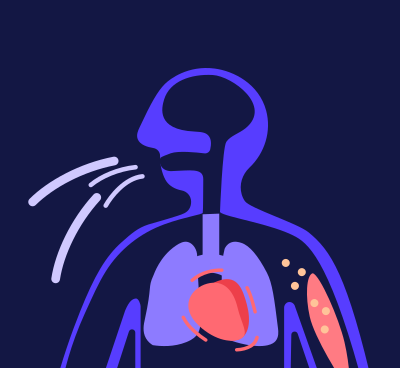
This threat response causes physical changes in our bodies: our heart beats faster, our breathing becomes rapid and shallow, our muscles tense up, and we become hyper-alert to our surroundings. These changes are designed to help us fight or flee from the danger.
Today, we might not often encounter lions, but our brains can still trigger this same response to modern stressors - a difficult conversation, a work deadline, or an uncertain situation. Our bodies respond as if the threat were real, even when it isn't.
What causes anxiety?
The way each of us respond to the feeling of anxiety is complex and unique. It will be influenced by our genes, our past experiences, our current circumstances and our personality.
Some people are more prone to anxiety than others, and there are many different types of anxiety disorders. These include generalised anxiety disorder (GAD), social anxiety disorder, panic disorder, and phobias.
Life events such as trauma, bereavement, or major changes can also trigger anxiety. Understanding your own anxiety triggers is an important first step towards managing them effectively.
How does the way we think contribute to anxiety?
Anxiety can be thought of as a learned response - we're more likely to worry about situations that have made us feel threatened in the past. Our thinking patterns play a huge role in how much anxiety we experience.
Common thinking patterns that fuel anxiety include catastrophising (assuming the worst will happen), mind-reading (assuming we know what others think), and overgeneralising (assuming one bad event means everything will be bad).
Becoming aware of these patterns is the first step to changing them. Techniques like cognitive behavioural therapy (CBT) can help you identify and challenge unhelpful thought patterns.
Self-care for anxiety
Life can be overwhelming, and we may feel like we're constantly working just to keep up with our responsibilities and what we feel is expected of us. It can be difficult to find the time to look after ourselves.
Self-care is about taking the time to look after your own wellbeing. It can be as simple as taking a walk, reading a book, or spending time with friends. The key is to make it a regular part of your routine.
Small, consistent acts of self-care can make a significant difference to your anxiety levels over time. Start with one small change today.
Talk to someone you trust
When we are experiencing anxiety, we can feel like we are controlled and debilitated by our worries, and that we are alone in our suffering. It can be hard to open up and talk about how we're feeling.
But talking to someone you trust - a friend, family member, or mental health professional - can be incredibly powerful. Sharing your worries can help you gain perspective, feel less alone, and find new ways to cope.
If you feel your anxiety is significantly impacting your quality of life, please reach out to your GP or a mental health professional. There is no shame in asking for help.

Take care of your physical health
It's important to think about our general mental and physical health too. The burden of experiencing and managing anxiety can affect our overall wellbeing if we don't take steps to look after ourselves.
Sleep, nutrition, and exercise all have a profound impact on anxiety levels. Poor sleep can make anxiety worse, while a balanced diet and regular physical activity can help regulate mood and stress hormones.
Try to establish a regular sleep routine, eat nourishing foods, limit caffeine and alcohol, and find moments of rest throughout your day.
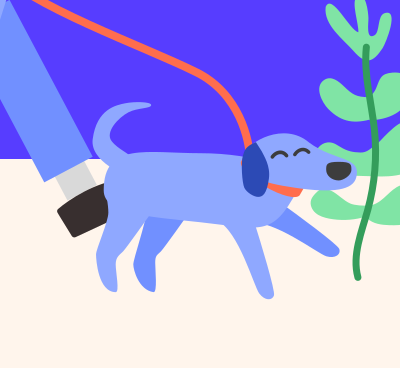
Incorporate movement into your day
We all know exercise is good for us, and it has even more powerful benefits if we are living with anxiety. When we exercise, our bodies release endorphins - natural mood-boosting chemicals that can help reduce feelings of anxiety and depression.
Exercise doesn't have to mean going to the gym. A brisk 20-minute walk, a gentle yoga session, or even dancing in your kitchen can all make a difference.
Try to incorporate some form of movement into your daily routine. Even small amounts of physical activity can have a meaningful impact on your mental health.
How is Lungy designed to help?
It can be hard to know which healthy changes to make, and where to start - that's where Lungy comes in! Lungy is designed to make breathing exercises more engaging and rewarding, so that you can build a consistent practice.
Breathing exercises are a powerful, evidence-based tool for managing anxiety. Slow, controlled breathing activates the parasympathetic nervous system - the body's natural 'rest and digest' response - helping to counteract the fight-or-flight response.
By using your smartphone's microphone to listen to and respond to your actual breath, Lungy creates a real-time, personalised experience. Every session is unique - helping you stay engaged and motivated to practice regularly.
Ready to practice?
Download Lungy to put these techniques into practice with real-time breathing exercises guided by your own breath.